

International bad debt is a persistent risk for companies that trade, contract, or provide services across borders. Differences in law, language, culture, payment terms, and economic cycles make cross-border receivables harder to collect than domestic invoices. This blog examines the industries that most commonly face international bad debt, the reasons those industries are vulnerable, practical recovery challenges, and prevention strategies businesses can apply to reduce exposure while preserving customer relationships.
Manufacturing
International Bad Debt in the Manufacturing Sector
Manufacturers selling components or finished goods abroad frequently extend credit to distributors and trading partners. Large ticket values, long production lead times, and complex supply chains raise the stakes when a foreign buyer defaults.
Why it happens
Defaults often follow payment disputes about quality, delayed shipments, currency swings, or insolvency of the buyer. Jurisdictional complexity can make legal recourse slow and costly.
Practical mitigation
Shorten payment terms, use documentary credits or confirmed letters of credit where possible, and include clear contract clauses specifying governing law and dispute resolution forums.
Also read: Cross-Border Debt Collection: What Singapore Businesses Must Know.
Construction and Engineering

Cross-border Construction and International Bad Debt
Construction projects spanning countries involve long payment chains and milestone-based invoicing. Contractors and subcontractors may face foreign principals, joint ventures, and local agents whose financial health varies.
Why it happens
Delays, variations, performance disputes, and retention practices add friction. When a foreign principal faces insolvency, downstream contractors often struggle to recover unpaid balances.
Practical mitigation
Use advance payments, payment bonds, escrow arrangements, and robust contract conditions. Regularly monitor counterparty financials and limit exposure on single projects.
Shipping, Logistics, and Freight
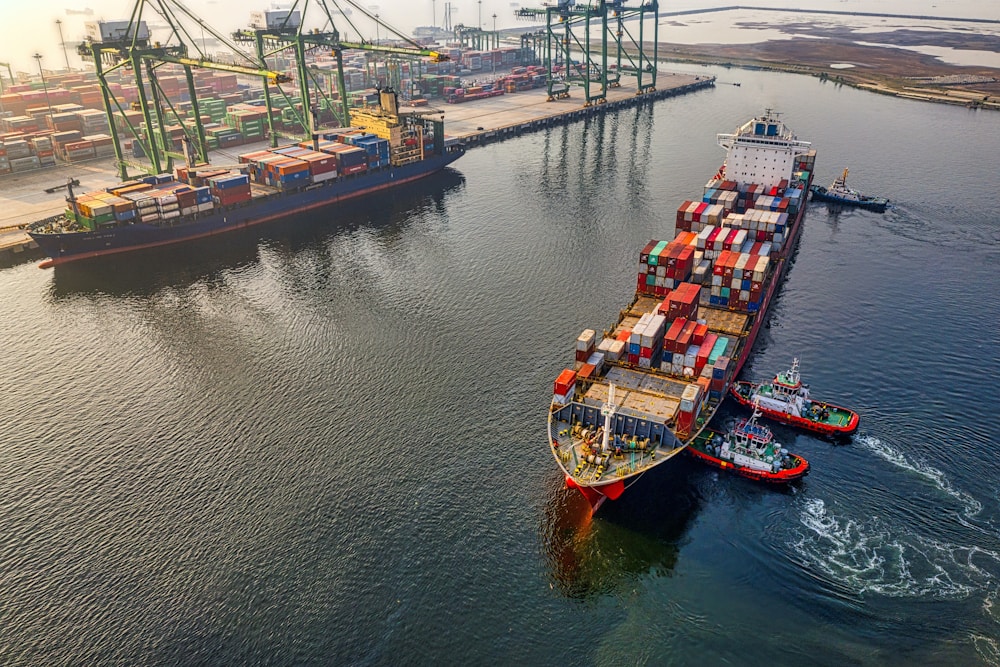
International Bad Debt in Shipping and Logistics
Freight forwarders, carriers, and logistics providers often invoice importers, exporters, or brokers in other jurisdictions. Services rendered across multiple borders create collection complexity.
Why it happens
Liability disputes, incorrect documentation, and customs delays can trigger payment refusals. Smaller operators may also lack leverage to pursue claims abroad.
Practical mitigation
Invoice promptly with full documentation, include value recovery clauses, and consider freight liens or statutory remedies available under carriage laws. Maintain strong credit screening for brokers and shippers.
Wholesale Trading and Import/Export
International Bad Debt for Wholesalers and Traders
Wholesale distributors and trading houses routinely extend trade credit to overseas buyers. Margins can be thin and volumes high, so even a few bad accounts create meaningful losses.
Why it happens
Country risk, political instability, foreign exchange controls, and buyer insolvency are common causes. Traders operating through multiple intermediaries can lose visibility on end-buyer risk.
Practical mitigation
Use trade finance solutions such as export credit insurance, letters of credit, and factoring. Keep KYC and buyer limits up to date, and build contingency plans for high-risk geographies.
Energy, Commodities, and Bulk Materials
International Bad Debt in Commodities
Energy traders and commodity suppliers often enter into large, tightly timed contracts. High contract values and exposure to commodity price swings make collections a high priority.
Why it happens
Counterparty default due to market volatility, sanctions, or payment restrictions can cause significant exposure. Enforcement across jurisdictions may be limited or dependent on political conditions.
Practical mitigation
Require performance guarantees, operate through reputable clearing houses, and use pre-shipment payments or bank-backed instruments to reduce unsecured exposures.
Technology, Software-as-a-Service, and Digital Services
International Bad Debt in Technology and SaaS
SaaS vendors and digital service providers sell subscriptions globally and sometimes allow deferred invoicing or annual billing. Customer churn, disputed service levels, or failed implementations can lead to nonpayment.
Why it happens
Complex licensing terms, IP disputes, and differing consumer protection laws across countries can delay collections. Small unpaid subscriptions may accumulate into material exposure for fast-growing vendors.
Practical mitigation
Use automated billing, require credit card or direct-debit mandates for recurring charges, enforce clear SLAs, and employ agile collections for early-stage arrears.
Healthcare and Pharmaceuticals

International Bad Debt in Healthcare
Exporters of medical equipment, pharmaceuticals, and health services may invoice distributors, hospitals, or government entities overseas. Regulatory approvals and reimbursement timelines often complicate cash flow.
Why it happens
Payment delays can stem from national procurement processes, customs holds, or regulatory disputes over product registration. Public sector buyers may have slow payment cycles or sovereign immunity issues.
Practical mitigation
Structure contracts with staged payments tied to regulatory milestones, use government payment guarantees where available, and ensure receivables for public sector exposure.
Hospitality, Tourism and Events
International Bad Debt in Hospitality and Tourism
Tour operators, hotels, and event organisers commonly deal with international agents, agencies, and corporate bookers. Deposits and final balances must be collected across time zones and payment systems.
Why it happens
Cancellations, travel restrictions, currency controls, or agent insolvency can lead to unpaid invoices. Refund and chargeback disputes add complexity when bookings cross borders.
Practical mitigation
Take deposits or prepayments, adopt crystal-clear cancellation policies, and prefer secure payment rails that reduce the risk of reversals.
Common Recovery Challenges Across Industries
Why international collections are harder
- Legal fragmentation: Different laws on assignment, insolvency, and enforcement make a single approach infeasible.
- Costs and speed: Legal action across borders is often expensive and time-consuming compared with the value at stake.
- Information gaps: Language barriers and limited credit information hinder timely action.
- Political and currency risk: Sanctions, FX controls, or sudden policy changes can block recovery even when legal rights exist.
Practical first steps for businesses
- Prioritise cases by recoverable value, enforceability, and commercial importance.
- Preserve documentation: contracts, proof of delivery, correspondence, and invoices.
- Attempt early commercial resolution; often, a negotiated settlement recovers more than protracted litigation.
Prevention: Contracting and Credit Best Practices
International Recovery Services for Businesses and in-house measures
- Use choice of law and dispute resolution clauses tailored to your risk appetite. Arbitration clauses can speed resolution, but enforcement costs and local nuances still matter.
- Employ credit insurance and trade finance that transfers or reduces risk exposure.
- Maintain an active credit policy that includes regular monitoring of foreign counterparties, credit limits, and automated alerts for overdue payments.
- Build relationships with local counsel and recovery partners, so you have options when disputes arise.
When to engage specialist partners
For complex cross-border accounts, many businesses choose to work with bad debt collection agency that specialises in international cases. Agencies with local networks, multilingual negotiators, and cross-border legal experience can often secure faster, more cost-effective results than in-house attempts alone. Many businesses choose to work with licensed debt collection agencies, such as DAA Double Ace Associates, to ensure legal compliance and faster recovery.
Conclusion
International bad debt disproportionately affects industries with long payment cycles, high-ticket transactions, and heavy regulatory oversight. Manufacturing, construction, shipping, wholesale trading, energy, technology, healthcare, and hospitality all face distinct cross-border collection challenges. The best defence is proactive: clear contracts, prudent credit management, and insurance or bank-backed payment methods. When disputes arise, early commercial engagement and pragmatic prioritisation of cases generally recover more value than immediate litigation. For complex scenarios, working with licensed and ethical recovery specialists in the debtor’s jurisdiction helps balance cost, speed, and enforceability. If recovery is needed, choose partners who follow local laws and ethical practices to preserve reputation and maximise returns.
If you are seeking a licensed, professional debt collection agency in Singapore, DAA Double Ace Associates offers fast, legal, and effective recovery solutions for businesses and individuals. Contact DAA Double Ace Associates today to discuss your case and explore a tailored, compliance-focused recovery plan.
Frequently Asked Questions
What is international bad debt?
International bad debt refers to receivables owed by foreign debtors that are unlikely to be collected due to insolvency, disputes, currency controls, or enforcement difficulties across borders.
How should a company prioritise international receivables?
Priorities by recoverable value, costs to pursue, enforceability under local law, and strategic importance of the customer relationship.
How long does cross-border legal action usually take?
Timelines vary widely by jurisdiction and case complexity. Arbitration can be faster than court litigation, but enforcement steps remain jurisdiction-dependent.
Can an international collection agency help with foreign-language negotiations?
Yes. Specialist agencies use multilingual negotiators and local networks to improve communication and reach practical settlements without costly legal proceedings.
When should I involve a law firm instead of a collector?
Involve law firms for matters requiring complex litigation, asset tracing, freezing orders, or when legal precedents and jurisdictional rulings are necessary.
What preventive measures reduce international bad debt risk?
Use letters of credit, export credit insurance, clear contractual terms, advance payments, escrow, and continuous counterparty credit monitoring.

